Day-Care Hydrocele Surgery
Hydrocele Surgery in Gottigere, Bangalore - Expert Care by Dr. Srihari Shapur
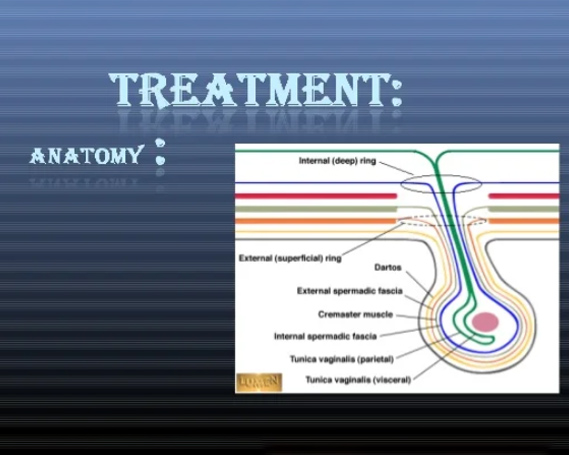
A hydrocele is a collection of watery fluid in the thin sac, called the tunica vaginalis, that surrounds the testicle inside the scrotum. This causes painless swelling of one or both sides of the scrotum.
Dr. Srihari Shapur offers careful hydrocele evaluation and definitive surgical treatment in Gottigere with modern day-care protocols, fast recovery planning, and same-day discharge for most adult patients.
What Is a Hydrocele?
A hydrocele is a fluid-filled swelling around the testicle caused by fluid collecting in the surrounding sac. It is often painless but can create visible enlargement, heaviness, and discomfort as it grows.
There are two main types:
- Communicating hydrocele: the fluid-filled sac remains connected to the abdominal cavity. This is more common in newborns and may change in size during the day.
- Non-communicating hydrocele: the sac is sealed but fluid does not drain. This is more common in adults and usually requires hydrocelectomy for definitive treatment.
Symptoms of Hydrocele
- Visible, painless swelling of one or both sides of the scrotum.
- A feeling of heaviness or dragging in the scrotum.
- In larger hydroceles, mild discomfort during walking or physical activity.
- Pain when associated with infection or inflammation.
- Scrotal swelling that may feel fluid-filled when gently pressed.
Hydroceles are usually painless, but any sudden increase in size, pain, or tenderness needs immediate evaluation to rule out testicular torsion or hernia.
Causes of Hydrocele
In newborns, the pathway through which the testicle descends may not close fully after birth, allowing fluid to pass and form a communicating hydrocele.
In adults, causes include:
- Inflammation or infection of the testicle or epididymis.
- Injury or trauma to the scrotum.
- Testicular tumour, which must always be evaluated.
- Parasitic infection such as filariasis in endemic regions.
- Post-surgical fluid accumulation.
Risk Factors
- Premature birth with incomplete closure of the processus vaginalis.
- History of scrotal trauma or surgery.
- Recurrent epididymo-orchitis.
- Living in regions with endemic filariasis.
When Should You See a Specialist?
Visit Dr. Srihari Shapur at Gottigere if you notice:
- Any unexplained scrotal swelling, even if painless.
- Scrotal swelling that is increasing in size.
- A sudden change in size, which may indicate hernia or torsion and needs emergency evaluation.
- Pain or tenderness accompanying the swelling.
- Swelling present since birth that has not resolved after age 1.
Early evaluation helps ensure other serious conditions like testicular cancer or hernia are not missed.
Diagnosis
Dr. Shapur diagnoses hydrocele through:
- Clinical examination with characteristic transillumination of the fluid-filled sac.
- Scrotal ultrasound to confirm diagnosis and rule out tumour or hernia.
- Blood tests when infection or tumour markers are clinically relevant.
Treatment Options for Hydrocele
Watchful Waiting (Newborns)
Most communicating hydroceles in infants resolve spontaneously by 12 to 18 months. Surgery is considered only if the swelling persists or becomes large.
Aspiration (Not Recommended Long-term)
Fluid can be drained using a needle, but recurrence is very common, often within months. Aspiration is not considered a definitive long-term treatment and is used only when surgery is not feasible.
Hydrocelectomy (Surgery) - The Definitive Treatment
Jaboulay procedure: the hydrocele sac is opened, everted, and sutured behind the testicle to prevent re-accumulation. This is commonly used for large hydroceles.
Lord's procedure: the sac is pleated and sutured in multiple places without full opening. This requires less dissection and is suitable for smaller, thinner-walled hydroceles.
Both procedures are performed under spinal or general anaesthesia, take around 30 to 45 minutes, and most patients go home the same day or the next morning.
Recovery Process
Day 1 to 3
Rest, scrotal support with a jock strap, and oral analgesics for mild pain.
Week 1
Swelling gradually reduces, and wound care with good hygiene is important.
Week 2 to 3
Most desk-job patients return to work by Day 5 to 7.
Week 4 to 6
Full recovery is expected, and strenuous activity or sexual activity resumes after clearance.
A follow-up appointment is usually scheduled within 7 to 10 days after surgery.
Prevention Tips
Most hydroceles cannot be completely prevented, but the risk can be reduced by:
- Wearing protective scrotal support during contact sports.
- Treating epididymo-orchitis promptly to prevent secondary hydrocele.
- Performing regular scrotal self-examination for early detection of changes.
Why Choose Dr. Srihari Shapur for Hydrocele Surgery in Gottigere?
Experienced Day-Care Surgery
Extensive surgical experience in scrotal and urological day-care procedures.
Age-Specific Treatment Approach
Conservative management for infants and surgery for adults when indicated.
Modern Facility
State-of-the-art facilities at Medax Hospitals, Kalena Agrahara, Bannerghatta Road.
Same-Day Discharge
Most adult hydrocelectomy patients go home the same day.
Private and Compassionate Care
All concerns are addressed in a private, non-judgmental setting.
Convenient South Bangalore Access
Located near Hulimavu, Arekere, JP Nagar, Bilekahalli, Begur, Devarachikkanahalli, and Akshayanagar.
Frequently Asked Questions
Q1. Is hydrocele dangerous?
A simple hydrocele is usually not dangerous and does not affect fertility. However, it should always be evaluated to rule out testicular cancer, hernia, or torsion.
Q2. Can hydrocele go away on its own?
In newborns, communicating hydrocele often resolves by 12 to 18 months. In adults, hydrocele rarely resolves spontaneously and surgery is usually recommended.
Q3. How long does hydrocele surgery take?
The procedure usually takes 30 to 45 minutes under spinal or general anaesthesia, and most patients go home the same day.
Q4. Will hydrocele surgery affect my fertility?
No. Properly performed hydrocelectomy does not affect the testicle or fertility, and care is taken to protect the surrounding structures.
Q5. What is the recurrence rate after hydrocele surgery?
Surgical hydrocelectomy has a success rate above 95 percent and recurrence is uncommon with experienced surgeons. Aspiration alone has a very high recurrence rate.
Q6. Is the surgery painful?
The surgery is done under anaesthesia and is not painful. Mild post-operative scrotal soreness is normal and managed with medication.
Q7. How soon can I return to work?
Desk job workers often return in 5 to 7 days, while those doing physical work may need 2 to 3 weeks. Full recovery typically takes 4 to 6 weeks.
Q8. Can hydrocele affect sexual function?
A hydrocele itself does not affect sexual function. After surgery, sexual activity is usually avoided for 3 to 4 weeks until healing is complete.

