Advanced Blood Clot Care
Deep Vein Thrombosis (DVT) Treatment in Gottigere, Bangalore
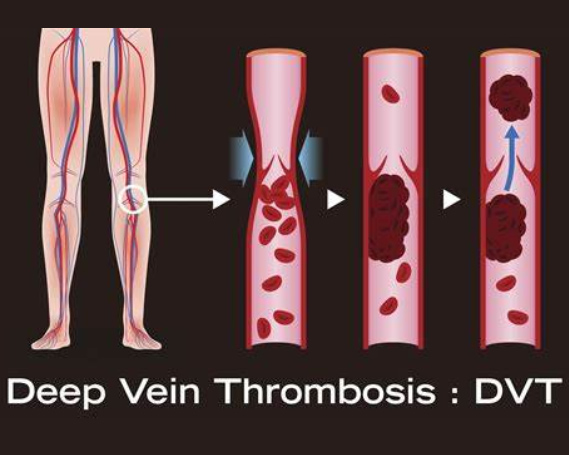
Deep Vein Thrombosis is a serious condition in which a blood clot forms in one of the deep veins of the body, typically in the legs. While it may begin as swelling or calf pain, it can become life-threatening if the clot dislodges and travels to the lungs, causing a pulmonary embolism.
Dr. Srihari Shapur offers timely, evidence-based DVT treatment in Gottigere with a focus on precise diagnosis, effective clot management, and long-term strategies to prevent recurrence and complications.
What Is Deep Vein Thrombosis (DVT)?
DVT occurs when a blood clot forms in a deep vein, most often in the thigh or lower leg. The clot can partially or completely block blood flow, leading to swelling, pain, and skin colour changes.
Some patients may have no obvious symptoms, which makes DVT especially dangerous. DVT is part of venous thromboembolism, a broader condition that also includes pulmonary embolism. Understanding and treating DVT early is critical to preventing this potentially fatal complication.
Symptoms of Deep Vein Thrombosis
DVT symptoms can be subtle, but the following signs should prompt immediate medical attention:
Leg Swelling
Swelling in one leg, and less commonly both, often starting around the ankle or calf.
Calf Pain or Tenderness
Pain may feel like a cramp or soreness and often worsens with movement.
Redness or Discolouration
The skin over the clot may appear red, bluish, or darker than usual.
Warmth Over the Affected Area
The involved leg may feel warmer than the surrounding skin.
Tight or Shiny Skin
The skin may feel stretched or appear tight because of swelling.
Emergency Chest Symptoms
Sudden breathlessness, chest pain, rapid heartbeat, or coughing blood may indicate pulmonary embolism.
Warning: Sudden breathlessness, chest pain, rapid heartbeat, or coughing up blood needs emergency attention immediately.
Causes and Risk Factors for DVT
DVT usually develops when one or more parts of Virchow's Triad are present:
- Slow or stagnant blood flow from immobility, surgery, or travel.
- Damage to the vein wall from surgery, injury, or inflammation.
- Increased tendency of blood to clot due to genetics, cancer, or medication.
Common Risk Factors
Recent Surgery
Especially orthopaedic or abdominal operations.
Prolonged Immobility
Bed rest, hospitalisation, or long-distance travel.
Cancer and Cancer Treatment
These can significantly increase clotting risk.
Pregnancy and Hormones
Pregnancy, postpartum state, contraceptive pills, and HRT may contribute.
Obesity and Prior DVT
Excess weight and a previous clot history both increase recurrence risk.
Inherited Clotting Disorders
Conditions such as Factor V Leiden raise thrombosis risk.
- Varicose veins and chronic venous insufficiency may contribute.
- Personal or family history of DVT or pulmonary embolism raises concern.
Diagnosis of DVT
Accurate diagnosis is essential because symptoms can overlap with other vascular conditions. At Dr. Srihari Shapur's RT Nagar clinic, the workup may include:
- Duplex ultrasound, the gold standard non-invasive test for detecting deep vein clots.
- D-dimer blood testing to measure clot breakdown products and guide further imaging when appropriate.
- CT or MR venography in complex, extensive, or recurrent cases.
- Coagulation and thrombophilia screening in younger patients or those with recurrent DVT.
DVT Treatment Options
1. Anticoagulation Therapy
Blood thinners are the main treatment for most DVT patients. They stop the clot from growing and reduce the risk of new clot formation while the body gradually breaks down the existing clot. Treatment may involve direct oral anticoagulants such as rivaroxaban or apixaban, or low molecular weight heparin followed by warfarin.
The duration of anticoagulation may range from 3 months to long term, depending on the cause of the clot and the risk of recurrence.
2. Catheter-Directed Thrombolysis (CDT)
For large, extensive clots, especially ilio-femoral DVT, a catheter can deliver clot-dissolving medication directly to the clot. This can rapidly restore venous flow and reduce the risk of post-thrombotic syndrome.
3. Pharmacomechanical Thrombolysis
This combines clot fragmentation with local drug delivery for rapid, efficient clot removal with lower thrombolytic doses in selected patients.
4. Inferior Vena Cava (IVC) Filter
In patients who cannot take anticoagulants or who continue to embolise despite treatment, a retrievable filter may be used to trap clots before they reach the lungs.
5. Compression Stockings
Graduated compression stockings help reduce swelling, improve comfort, and lower the risk of post-thrombotic syndrome.
6. Thrombectomy
In rare severe cases, surgical clot removal may be advised in carefully selected settings with close specialist monitoring.
Recovery After DVT Treatment
Most patients begin to feel relief from acute symptoms within days after starting anticoagulation, but treatment must continue for the prescribed duration to avoid recurrence.
Early Symptom Relief
Swelling and discomfort often begin improving within days.
Continued Medication
Anticoagulation may continue for 3 months, 12 months, or longer.
Encouraged Activity
Complete bed rest is no longer standard in most DVT cases.
Regular Follow-Up
Monitoring helps track clot resolution, anticoagulant response, and post-thrombotic syndrome early.
Long-term patients may also need periodic ultrasound monitoring and lifestyle modification guidance.
Preventing DVT
- Stay active and avoid sitting for long periods without movement.
- Do calf exercises and stay hydrated on long journeys.
- Use compression stockings during long-distance travel if advised.
- Maintain a healthy weight.
- Take post-surgical anticoagulants exactly as prescribed.
- Inform your doctor about any past DVT or clotting disorder before surgery.
- Discuss contraceptive choices if you have clotting risk factors.
Why Choose Dr. Srihari Shapur for DVT Treatment in Gottigere?
Advanced Vascular Expertise
Training in vascular and endovascular interventions, including catheter-directed thrombolysis.
Comprehensive Diagnosis
Modern imaging and laboratory evaluation for precise clot assessment.
Personalised Risk-Balanced Treatment
Treatment plans are tailored to clot size, symptoms, and bleeding risk.
Accessible Gottigere Location
Convenient for patients from Hebbal, Sadashivanagar, Malleshwaram, and HBR Layout.
Post-Thrombotic Syndrome Prevention
Structured follow-up helps reduce long-term swelling and venous complications.
Clear and Compassionate Care
Transparent communication at every stage of diagnosis and treatment.
When to Seek Immediate Attention
- One-sided leg swelling, redness, and pain.
- Recent surgery or immobility with new leg symptoms.
- Sudden breathlessness, chest pain, or rapid heartbeat.
DVT is a medical emergency. Do not wait to see if symptoms settle on their own.
Frequently Asked Questions
Q1: What are the symptoms of DVT?
DVT commonly causes swelling, pain, redness, and warmth in one leg, though some patients may have no symptoms. Sudden breathlessness or chest pain can indicate pulmonary embolism.
Q2: Is DVT dangerous?
Yes. It can lead to pulmonary embolism, which may be fatal, and can also cause long-term post-thrombotic syndrome if untreated.
Q3: How is deep vein thrombosis treated?
Most patients receive anticoagulants, while larger clots may require catheter-directed thrombolysis, pharmacomechanical clot removal, or other advanced vascular interventions.
Q4: What is the best DVT treatment near me in Bangalore?
Dr. Srihari Shapur in Gottigere offers comprehensive DVT management from anticoagulation to advanced catheter-based vascular care under specialist supervision.
Q5: How long does recovery after DVT take?
Acute symptoms may improve within days to weeks, but anticoagulant treatment often continues for 3 to 12 months or longer depending on the cause and recurrence risk.

